- Welcome Guest
- Sign In
- Welcome Guest
- Sign In

Anthropic's clash with regulators over AI export controls raises broader questions about cybersecurity, sovereign AI, and the future of government oversight.

Fox’s plan to acquire Roku is one of those deals that looks obvious only after someone finally has the nerve to do it. The fight for television is no longer just about what people watch. It is about where they decide to watch it.

AI search is changing how diners discover restaurants, with Local Falcon research finding many eateries visible on Google Maps are missing from AI-generated recommendations.

AI can identify threats and speed security analysis, but risk scoring alone cannot determine what software should be allowed to run. Effective prevention requires explainable, policy-driven controls.
Apple used WWDC26 to outline a broader AI strategy that extends beyond Siri, weaving intelligence throughout its apps, services, and devices while maintaining a strong focus on privacy.

Apple's WWDC26 focused less on AI spectacle and more on making intelligence a seamless part of everyday experiences across the Apple ecosystem.
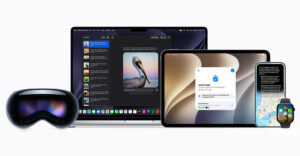
Apple used WWDC26 to showcase deeper AI integration across its ecosystem, enhanced Siri capabilities, and new tools aimed at improving child safety.

A tour of Hyundai's Georgia Metaplant reveals how robotics, AI, and flexible manufacturing could change the way products are built in the decades ahead.
DuckDuckGo is seeing a surge in installs after Google's latest AI search changes, highlighting growing debate over consumer choice, trust, and the future of online search.

A new study suggests Apple could expand the foldable smartphone market by attracting mainstream buyers who have yet to embrace the category.

Nvidia and Microsoft are betting that powerful AI agents belong on personal computers, introducing RTX Spark systems designed to bring data center-class AI performance to Windows PCs.

As AI infrastructure expands, modular data centers may offer a path to lower resource consumption and greater community acceptance.

Major telecom providers are launching a cybersecurity alliance to improve real-time threat sharing and strengthen defenses against escalating attacks on communications infrastructure.
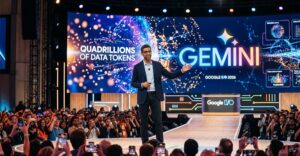
Google I/O 2026 revealed a far more aggressive AI strategy than many expected. Rob Enderle explains what this could mean for the future of apps, work, and computing.
 Loading ...