- Welcome Guest
- Sign In
- Welcome Guest
- Sign In

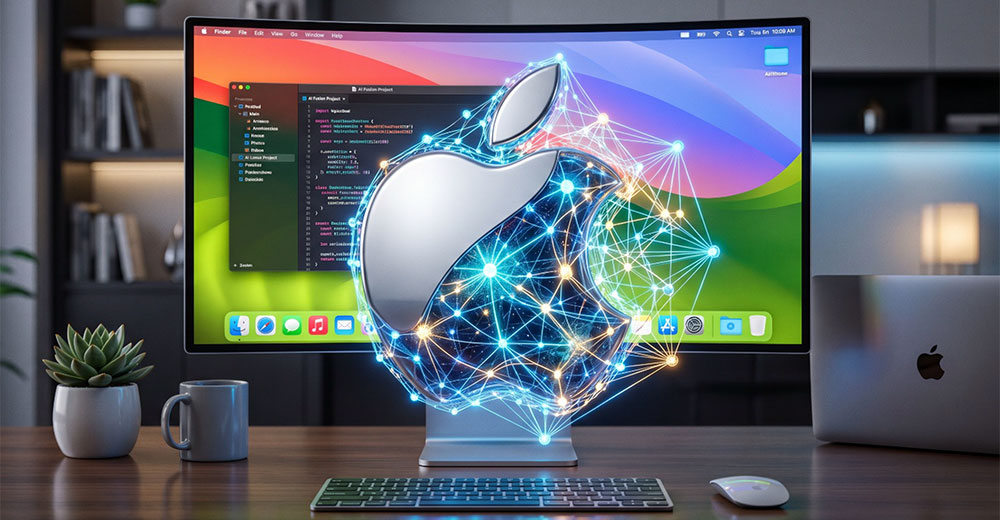
Apple used WWDC26 to outline a broader AI strategy that extends beyond Siri, weaving intelligence throughout its apps, services, and devices while maintaining a strong focus on privacy.

A newly disclosed Linux privilege escalation flaw dubbed "Dirty Frag" is raising concerns among security researchers who warn it could give attackers reliable root access across a wide range of enterprise environments.

Android PCs powered by Arm and AI are emerging as a challenge to the WinTel model, led by Google.

Microsoft is moving to fix Windows 11 performance and usability issues while rethinking its AI strategy as user frustration with the OS continues to build.

Linux doesn’t hide the system behind guardrails. Here’s why its freedom, flexibility, and control still outclass the mainstream desktop OSes.

Google and Qualcomm are pushing Android PCs into the mainstream, aiming to reshape personal computing by scaling the dominant mobile OS to desktops and challenging Microsoft and Apple.

Linux patch delays leave enterprises exposed to long-standing vulnerabilities. Experts warn automation and consistent management are essential to closing this critical security gap.

Linux is making real gains on the desktop. New data shows its market share passing 5% in the U.S., signaling a long-awaited breakthrough.

A claim that desktops are less secure than mobile devices can be true or false, but this depends highly on their configuration. While desktop devices are less secure out of the box, they are more private and can be made more secure than mobile devices.

Apple appears to be headed toward unifying its multiple operating systems via a design makeover, and the iPad will start looking more like a personal computer, according to presentations aired Monday at the company's annual Worldwide Developers Conference.

Confusing security with privacy gives users a false sense of control — especially on mobile devices, where the OS often benefits more than the user.

As attacks grow more sophisticated, the open-source community is racing to close critical security gaps and stop malicious code before it spreads.

After years of missteps, Intel is getting serious. With a new CEO and sharper strategy, the company is making bold moves to reclaim its tech leadership.

The MakuluLinux LinDoz 2025 edition is one of the most useful and functional AI-powered Linux distributions available. The OS offers free and unlimited access to a loaded AI toolkit.