- Welcome Guest
- Sign In
- Welcome Guest
- Sign In

Users of video conference tools should be aware of the growing risk of impersonation attacks. Cybercriminals are capitalizing on the exponential increase of users turning to Zoom and other platforms to collaborate across work and friend networks. Researchers have identified attacks stemming from Au...
After crashing in 2019, Dark Web markets for stolen credentials rebounded during the first half of 2020, largely due to major shifts in consumer behavior caused by the global pandemic. Hacked accounts for delivery services and physical fitness brands are some of the highest priced items on the marke...

Garmin on Monday confirmed that many of its online services have been disrupted by a cyberattack on its systems that occurred on July 23, 2020. Services disrupted by the attack, which encrypted data on the systems, included website functions, customer support, customer facing applications, and compa...

Counterfeit hardware, especially in corporate settings, is a recurring problem that often goes unnoticed. Having such gear online poses serious financial, operational, and security risks. Cybersecurity company F-Secure has released an investigative report detailing counterfeit Cisco Catalyst 2960-X...

Twitter had a data security problem last week that might sound trivial. Email addresses, phone numbers, and the last four digits of the credit cards used to buy ads on Twitter were left in browser cache after the transaction, and that cache was not secured. This may seem trivial, but the consequence...
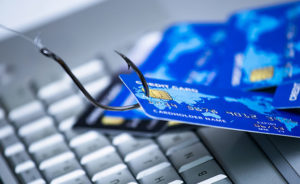
With much of the workforce conducting business from home to escape the pandemic, scammers have revved up their trickery to scare victims into falling for credential harvesting schemes. Two new reports lay bare the new twists digital scammers are putting on old approaches to get you to unwittingly gi...

How do you know if you are at risk of being hacked? Like conventional criminals, criminal hackers choose easy and lucrative targets. One group in the crosshairs is made up of companies that have data on millions of users, such as private sector entities with a Web presence. Why go after data one use...

Zoom's paying customers will be able to choose the region they want to use for their virtual meetings. They will be able to opt in or out of a specific data center region, although they won't be able to change their default, which for most customers is the U.S. Zoom has data centers in the U.S., Can...

As companies send employees home in an effort to curb the spread of COVID-19, cybersecurity experts are warning that telecommuting could be putting company assets and data at risk. There are a number of precautions that employees working from home should consider to ensure that sensitive data isn't ...

Microsoft has announced the success of efforts to disrupt the Necurs botnet group blamed for infecting more than 9 million computers globally. There are 11 botnets under the Necurs umbrella, all apparently controlled by a single group, according to Valter Santos, security researcher at Bitsight, whi...

The United States Office of Personnel Management last week urged agencies to prepare to allow federal employees to telework -- that is, work remotely. This came on the heels of the Department of Homeland Security closing its facilities in Washington state after learning an employee had visited the L...

We're only two months into a new year and already hundreds of millions of personal records have been compromised, including 123 million employee and customer records from sporting retailer Decathlon and another 10.6 million records of former guests of MGM Resorts hotels. These announcements followed...
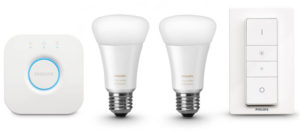
A vulnerability in Philips Hue smart lightbulbs and their controller bridges could allow intruders to infiltrate networks with a remote exploit, Check Point Software Technologies has disclosed. The researchers notified the owner of the Philips Hue brand about the vulnerability, and it issued a patch...

There is a problem with the Internet of Things: It's incredibly insecure. This is not a problem that is inherent to the idea of smart devices. Wearables, smart houses, and fitness tracking apps can be made secure -- or at least more secure than they currently are. The problem, instead, is one that l...
 Loading ...