- Welcome Guest
- Sign In
- Welcome Guest
- Sign In
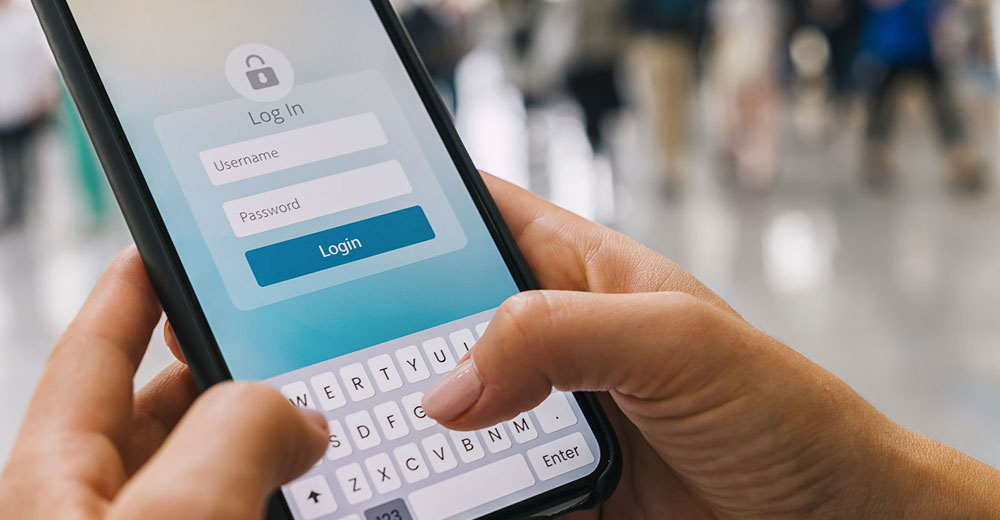
Some of the most damaging identity breaches now occur after login — during password resets, MFA re-enrollment, or routine help-desk recovery requests. Many organizations have hardened login security with MFA and phishing-resistant controls These workflows are rarely treated as security-critical events. Attackers know that credentials can be reset...
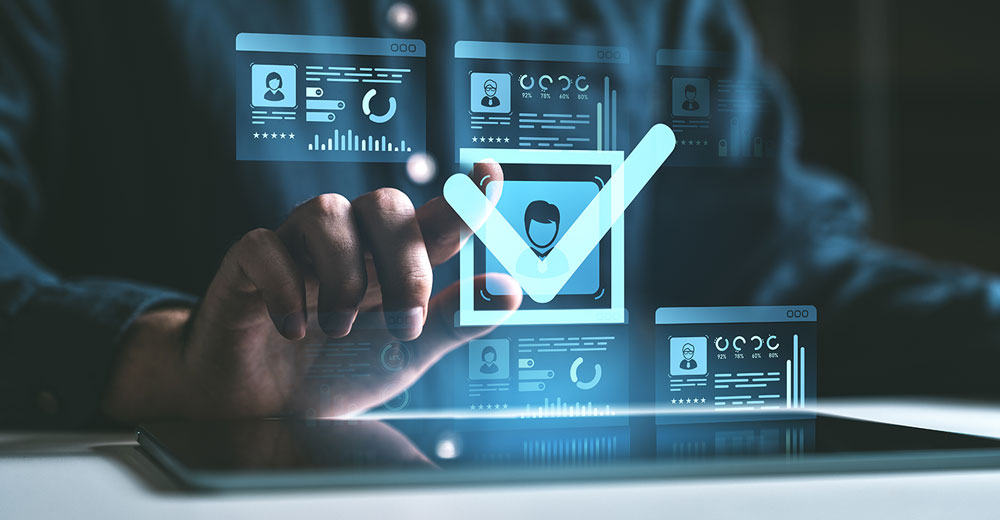
For the past 20 years, multi-factor authentication (MFA) has been regarded as the gold standard for replacing passwords to achieve strong authentication. While one-time passcodes (OTPs), hardware tokens, and push notifications have enhanced protection against identity-based attacks, MFA no longer offers ironclad security Phishing, social engineerin...
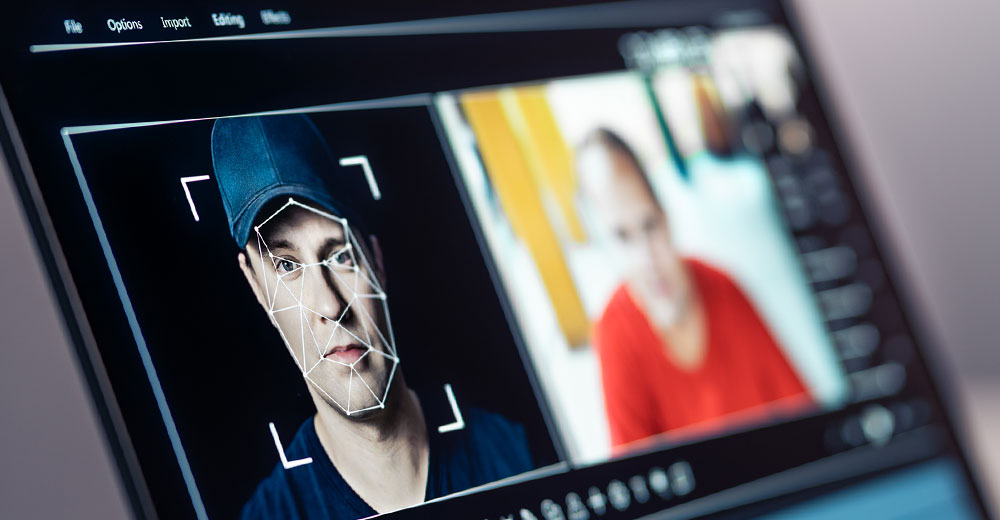
A Hong Kong bank recently fell victim to an impersonation scam in which a bank employee was tricked into transferring $25.6 million to thieves after a video call with the bank CFO and other colleagues. But none of them were real people -- all were deepfakes created with the help of artificial intelligence This incident illustrates how cybercriminal...
By now, many have heard about the massive cyberattacks that affected casino giants MGM Resorts and Caesars, leaving everything from room keys to slot machines on the fritz. Like many recent breaches, it’s a warning to improve security around digital identities -- because that’s where it all started The origin story of this breach is similar to ...
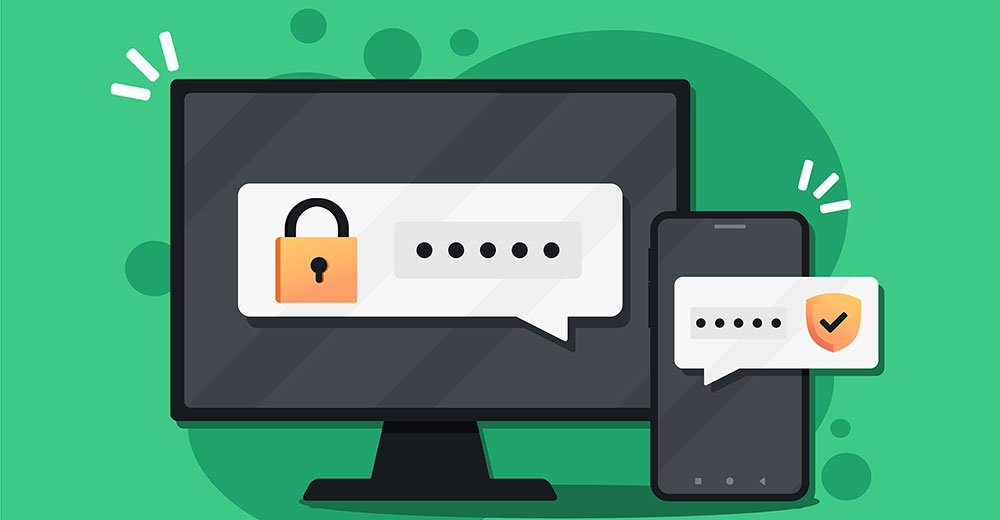
Ask any security pro what's the most effective protection against hackers and scammers, and they all point to one tool: multifactor authentication (MFA). It seems every sign-on today requires validating one's account (note: not their identity) by text, app, email, or some other channel. The National Institute of Standards and Technology (NIST) considers MFA one of the basics of security...
 Loading ...